 >
>
This summer: learn to swim
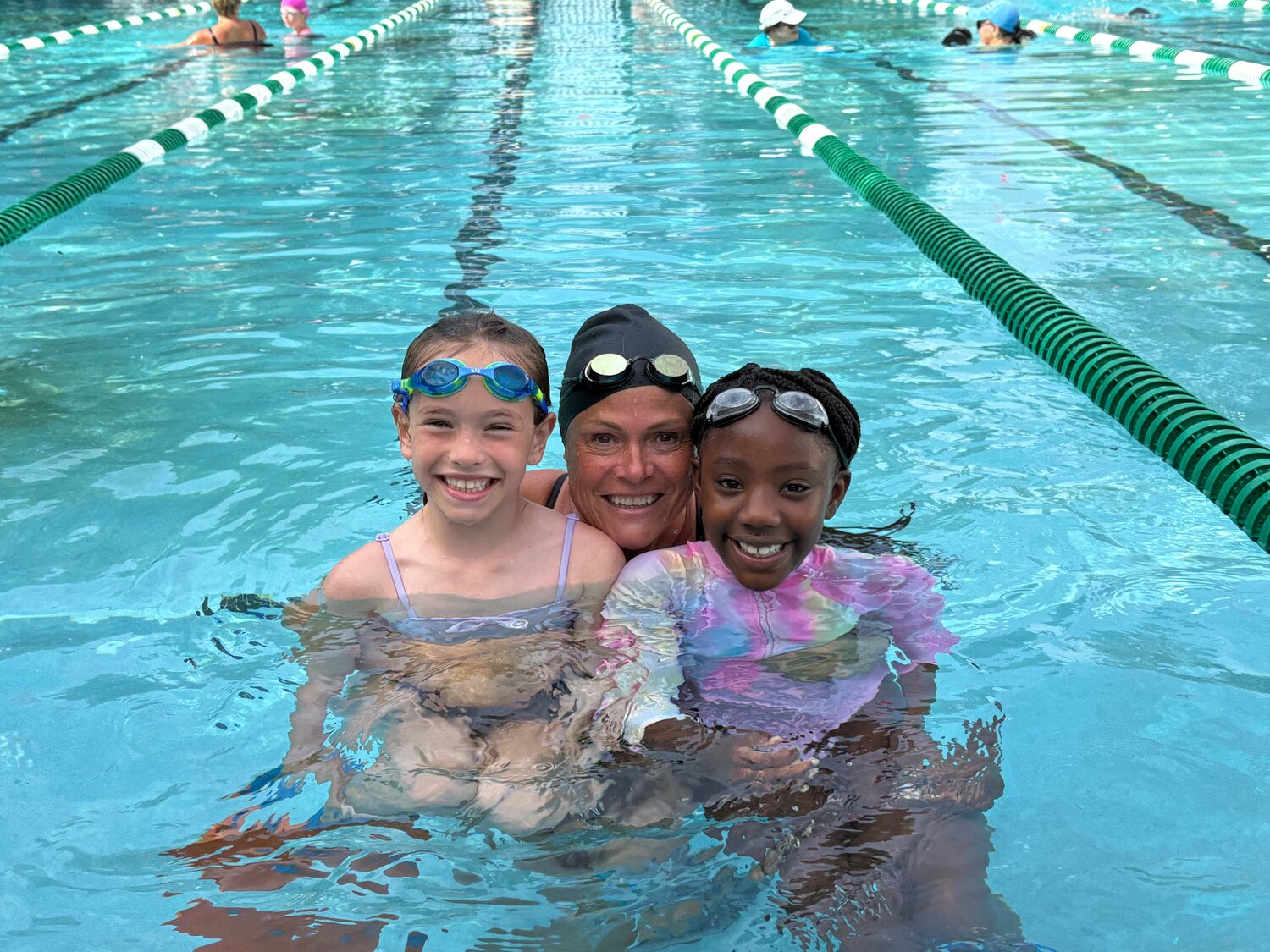


About half of all Americans either can’t swim or don’t possess the basic skills that define a competent swimmer. The McArthur Family YMCA in Fernandina Beach is trying to do something about that statistic — one hesitant student at a time.
From now until the days turn chilly in November, the McArthur YMCA will offer a slate of classes and lessons to teach swimming skills to children and adults. The YMCA learn-to-swim curriculum is one of the most respected in the country, notes Cezar Gonzalez, the recently retired district executive director of the McArthur/Wildlight YMCA.
“For 116 years, we’ve been teaching swim lessons,” he says.
Locally, the demand for lessons is high, and the YMCA is challenged to keep up with the high enrollment. The McArthur YMCA is home to a heated, eight-lane, 25-yard outdoor pool. There is no pool at the Wildlight YMCA.
“There is such a high demand that we have waitlists,” says Julie Zinchuk, aquatic director at the McArthur Family YMCA. “That is one of the obstacles we’re trying to overcome to make sure that everyone who wants lessons will get lessons.”
And it’s not just children whose parents want them to become safe and competent swimmers. More than half of all U.S. adults have never had a swimming lesson. The desire to learn to swim is common in this group, Zinchuk says.
While adults can request private lessons, or lessons with a friend, most children’s lessons are taught in group classes that include four lessons over the course of a month. Registration is held the month prior. So, anyone interested in June lessons should sign up in May, Zinchuk says.
Classes are held at 10 a.m. and 11 a.m. on Saturdays. Different levels and types of classes are available — from classes for preschoolers to older children refining different strokes. The fee for a four-lesson session is $65 for YMCA members and $100 for non-members.
But, Zinchuk says: “At the Y, we do not turn anyone away. If someone wants a lesson, we will figure out a way for that to happen. There’s financial assistance available.”
The YMCA welcomes charitable donations that support swimming lessons and expansion of the Y’s programs.
The YMCA also offers a program called Safety Around Water to teach basic safety tips for non-swimmers.
“We have the local Boys and Girls Clubs come every year,” Zinchuk says. “Our main goal is to make sure if a kid falls into a body of water, they can get out. We teach them how to get out of the pool or how to get out of the water.”
While many Americans want to learn to swim, or want their children to learn, they are hesitant to take the plunge, so to speak. But anyone can learn to swim, Gonzalez says. The Y staff offers swim programs within an atmosphere of trust and gentle encouragement. Instructors are highly qualified, and lifeguards are always on duty.
“I had a 72-year-old man who joined an adult swim program,” Gonzalez recalls. “No one had been able to teach him to swim. I told him ‘All I ask is that you trust me and do what I ask you to do.’ He didn’t even want to get his face wet. But he kept at it. He started out just blowing bubbles and within two weeks, he was swimming 25 yards back and forth. Anyone can learn to swim.”
Both children and adults find encouragement and companionship in each other, Zinchuk says. She recently taught two adult women who were friends from their church choir. “One of them told the other, ‘I’m going to learn to swim.’ And the other said, ‘I’m going to learn to swim, too.’ So, they came together,” Zinchuk says. “It was something they both wanted to do, and doing it together worked for them. They encouraged each other. When I first asked them to put their faces in the water, they came up blowing bubbles and laughing and smiling. It was great seeing them together.”
The YMCA staff encourages parents to keep enrolling their children in lessons so they learn the full range of swimming skills. According to national statistics, drowning deaths among children have risen in recent years after falling for decades. In 2019, about 4,000 children died from drowning. But that number rose to more than 4,500 each year from 2020 to 2022. In 2023, the latest year for which statistics are available, the drowning rate was still comparatively high — at about 4,300 deaths.
Children ages 1 to 4 and adults 65 and older have a higher risk for drowning. Blacks and Hispanics have higher numbers of people who report not knowing how to swim or never receiving a swimming lesson.
According to the American Red Cross, the basic water safety skills include being able to, in sequence:
- Step or jump into the water over your head
- Return to the surface and float or tread water for one minute
- Rotate in a full circle and find an exit
- Swim 25 yards to the exit
- Exit from the water. If it’s in a pool, being able to exit without using the ladder
If your child doesn’t possess all those skills, keep coming back to lessons, Zinchuk says.
“We encourage parents to keep enrolling the children,” she says. “Some kids will be natural swimmers. Some kids are more fearful of the water. Every child is different. But we want them to keep coming. We even have a YMCA swim team now. Most of those kids started out in our swim lessons program.”
The McArthur Family YMCA benefits from a supportive community in which many former master swimmers, swim instructors or swim coaches want to give back and share their experience.
“Most of our swim instructors are retired professionals who have stepped up in the community,” she says. “They saw a need, and said I want to help. They feel they are doing something to make a difference.
“Oftentimes, at the end of the Saturday lessons, we’re so tired when we get out of the pool. But we’re smiling because we know what we’re doing is so important.”
For more information:
Contact the McArthur Family YMCA.
Tips from the American Red Cross:
- Adults should always stay within arm’s reach of young children and newer swimmers
- Swim near lifeguards
- Always have life jackets on boats
- Make sure home pools meet all safety requirements for fencing and self-latching gates
- Do not drink alcohol before or during swimming, boating or other water activities
- The Red Cross Swim app promotes water safety education and helps parents and caregivers of young people learning how to swim. The app has features specifically designed for children, including a variety of kid-friendly games, videos and quizzes. People can download the app for free by searching for ‘American Red Cross’ in their app store or at http://3cu.be/shareswim


Comments
1 comment on this item Please log in to comment by clicking here
Mark Tomes
This is such a great reminder that anyone who wants to learn to swim can, and should! Some cultures have historical aversions to swimming, but hopefully individuals can recognize those aversions and overcome them. There should never be an impediment to kearning to swim. What a relief to know the kids can safely get themselves out of the water if they fall in!
Tuesday, May 20, 2025 Report this