 >
>
Paid parking misses $1.8 million target, now projected to bring in $1.1 million this year

Editor's Note: The city invited local media organizations to a June 16 briefing for updates on the city's paid parking program approximately three months after enforcement began. The session was attended by the Fernandina Observer, Fernandina News-Leader and Nassau NewsLine. City officials presented revenue, permit, citation and operational data, discussed proposed changes to the program, and answered questions from reporters. The following article is based on city staff's information provided in the meeting.
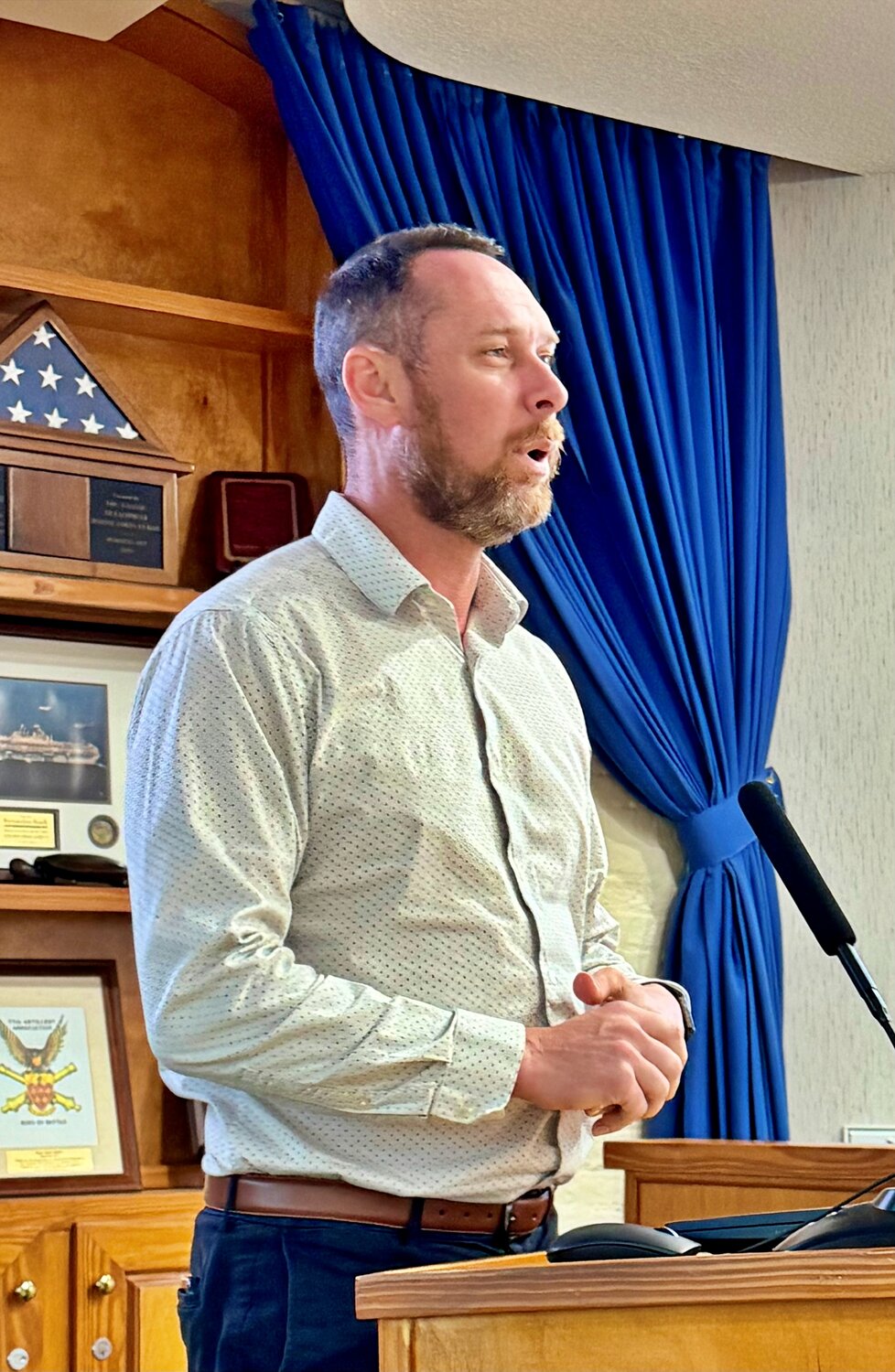
During a media briefing Tuesday, Deputy City Manager Jeremiah Glisson said the program has generated nearly $750,000 in gross revenue since enforcement began March 16, with the city currently holding just under $400,000 in net proceeds in a dedicated Parking Special Revenue Fund.
Based on current trends, city officials now project the program will generate approximately $1.9 million in annual gross revenue and about $1.1 million in net revenue after operating expenses and management fees.
The update comes as city voters prepare to decide an Aug. 18 ballot initiative that would require voter approval before the city could impose paid parking in the future.
Glisson said One Parking's original estimate assumed a $3 hourly parking rate and projected approximately $2.1 million in annual gross revenue and $1.8 million net revenue.
"The goal was to ease this program and make it as palatable as possible," Glisson said.
-
City residents receive two free annual permits.
-
A third city-resident vehicle permit costs $24.
-
Non-city resident permits cost $124 annually.
Officials estimate non-resident permits alone have generated nearly $200,000 in revenue.
The most common parking duration is two hours, followed by three hours. Officials say the system now averages approximately 853 paid transactions per day, with traffic increasing as summer tourism season begins.
Officials said the data confirms what city leaders have long argued about downtown's economic importance.
Glisson said most hourly transactions are believed to be visitors rather than local residents, supporting the city's goal of shifting more of the downtown maintenance burden to tourists.
The city has issued 719 paid citations and 219 warnings or dismissed citations since enforcement began.
Glisson said citation revenue represents less than the 10% to 12% of total revenue commonly seen in many parking programs.
He attributed the lower citation rate to what officials described as a softer enforcement approach focused on compliance rather than aggressive ticketing.
"There is leakage in any program," Glisson acknowledged. "Increased enforcement is the heavier-handed approach and also has an increased cost."
The money is restricted by ordinance to improvements, maintenance and operations within the downtown district.
Potential uses include waterfront maintenance, downtown infrastructure projects, parking improvements and debt repayment associated with future waterfront redevelopment projects.
"The funds have not been allocated to any maintenance project or improvement yet," Glisson said.
Among the most significant recommendations:
-
Convert Ash Street and Alachua Street to one-way traffic.
-
Improve downtown directional signage.
-
Relocate loading zones.
-
Add approximately 120 parking spaces combined along the two corridors.
-
Improve pedestrian crossings.
The changes would also help accommodate future downtown redevelopment projects and address challenges created by a large heritage oak tree on Ash Street whose roots are damaging nearby pavement.
City officials said they plan several minor adjustments to the paid parking ordinance based on issues that emerged during the program's first three months. One of the most common points of confusion involves motorists who park downtown, leave, and then return later the same day. Because the city relies on walking enforcement rather than cameras or license-plate recognition technology, staff said it can be difficult to determine whether a vehicle has been parked continuously or has made a legitimate return visit.
Despite the program's financial performance, officials acknowledged continued opposition from some residents.
"Paid parking is very personal to people," he said.
Newton said residents frequently tell her they can now find parking spaces downtown for restaurants and shopping.
One question city officials say they still cannot answer is whether paid parking has affected downtown business activity.
"We're still trying to figure out what those metrics would look like," she said.
"It would be irresponsible to point to certain things without allowing the data to speak for itself," he said.
An Aug. 18 ballot initiative would require voter approval before paid parking could be terminated in Fernandina Beach.
If paid parking were eliminated entirely, Glisson said the city's primary remaining obligation would be paying off approximately $40,000 in outstanding sign costs associated with implementing the program.
For now, city officials say the focus remains on collecting more data and refining operations as the system moves beyond its startup phase.


Comments
7 comments on this item Please log in to comment by clicking here
DouglasM
A lot to unpack....Mike L, you seemed to be gushing over the "gross" revenues 2 weeks ago. As pointed out in comments, the "net" was sorely lacking and that is what counts. Again, check out Mike Harbison's comments at the City Commission meeting in mid-January predicting this exact shortfall.
City officials "surprised" at the intensity of public reaction? You have to be kidding me! Paid Parking has been the third rail in this town for years....don't touch it! But this Commission did.
Soft economy? CNBC is talking about the resilience of this economy every day! Poynter's comments that paid parking isn't the reason he is feeling "the pinch" are wrong. It is a contributor to the "pinch" along with many who choose not to patronize North 3rd street establishments!
The "one way" idea for Ash and Alachua will push more traffic past the residential homes north and south of those streets to navigate. Those poor homeowners already deal with massive parking lots on their street every day!
No matter how you spin this....paid parking is a bad idea. August 18th!!! See you there.
Wednesday, June 17 Report this
FunnyGirl4615
Very concerning. Pay off the $40,000 while you can. Certainly hope this is not a prelude to any future expansion of paid parking to make up the difference between estimated and expected. Waiting patiently for the vote to see what happens next.
Wednesday, June 17 Report this
FloridaMike
Initial estimate of 300k expenses (2.1m gross - 1.8m net). New estimate of 800k expenses (1.9m gross - 1.1 net).
How do expenses nearly triple?
Poor Planning? Incompetence? Colossal failure of leadership?
Wednesday, June 17 Report this
BBillings
The TRUE effect of paid parking will not be felt until next year, after all the visitors / tourists who were surprised by the newly installed paid parking have a winter to think over how they will spend their vacation monies next summer.
Will they come back to Amelia / Fernandina again next year ?
Or will it be time to try out new vacation spot(s).
NEXT YEAR will be the true test.
Thursday, June 18 Report this
noelsmartin
This source of income will be very helpful to the city when it reconciles the damage the new homestead legislation will inflict. It's also nice to be able to find a parking spot downtown.
Thursday, June 18 Report this
AcurtNA63
Still a bad idea. Plan to vote against it!
Friday, June 19 Report this
CarolC33
Florida Mike's comment makes a lot of sense. I particularly like the questions in the last line of his comment. Mike could have added another sentence below them: All of the Above!
Vote NO!! on paid parking August 18th!
Saturday, June 20 Report this