 >
>
Paid parking's impact on access to services and programs
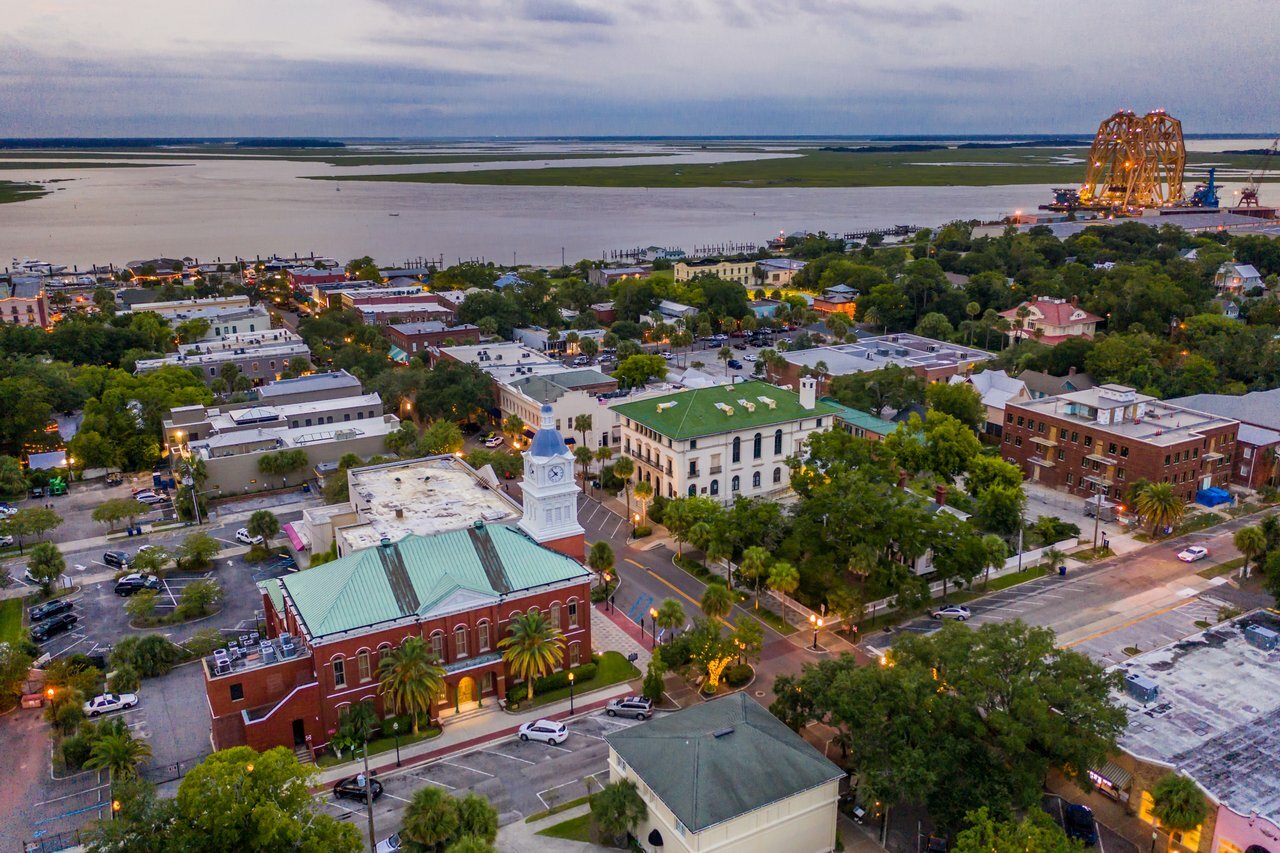
Throughout the discussion about implementing paid parking in downtown Fernandina Beach, many examples have been shared about the impact such a decision could have on our local restaurants and shops. As the Senior Pastor of one of our downtown churches residing within the proposed paid parking corridor, I ask our city commissioners and our residents to consider how paid parking downtown will also impact our community's access to much-needed public services and support programs.
All of our downtown church campuses, much like our city buildings and libraries, rely almost entirely on street parking, especially when we find our own small parking lots are often filled by the cars of people visiting other downtown buildings. The staff, volunteers, and guests of our churches and those using our other public services downtown have no alternative places to park but on the city streets. Are we a city which is going to ask people to pay to have access to such services?
Should a widow coming to their spouse’s funeral on a Tuesday morning be greeted by a parking meter before they can enter the building?
Should a parent on a busy Monday be asked to feed a meter just to drop off their child at preschool or take them to an educational event at the library?
Should someone in crisis on a Thursday have to pay just to come in and speak with a pastor?
Should we be putting up the hindrances of paid parking to someone bravely attending an Alcoholics Anonymous meeting on a Wednesday or trying to access a food pantry just to feed their family on a Tuesday?
Our churches aren’t just open on Sundays — they’re alive seven days a week, just like our community buildings, offering vital programs, outreach, and care for our neighbors.
Paid parking would create a barrier where there should only be welcome.
Paid parking, especially around houses of worship or community centers, means asking all individuals, including our most vulnerable, to pay to seek support, comfort, and connection — a cost many simply cannot bear.
This issue is not only about meters and revenue — it’s about people, dignity, and equal access to facilities for both the privileged as well as the disadvantaged in our city.
Our churches aren’t asking for special treatment. We are asking for compassion and common sense.
Every day, people step onto our campuses and into our community buildings looking for hope, healing, purpose, or even just a helping hand. If we start charging them at the curb, what message does that send?
That grace has a price tag?
That humanity must come with a fee?
That community services are only open to those who can afford to feed the meter?
Our churches and our local outreach services are here to serve everyone — no exceptions, no barriers. Let’s choose a downtown that doesn’t charge for comfort, healing, or help. Let’s keep our city open to all, not just for those who can afford to pay to park.
Sincerely,
Rev. Dr. Mark Charles
Senior Pastor, Memorial United Methodist Church


