 >
>
Closed-Door Mediation Set in Fernandina Beach Bioethanol Dispute Between City and RYAM
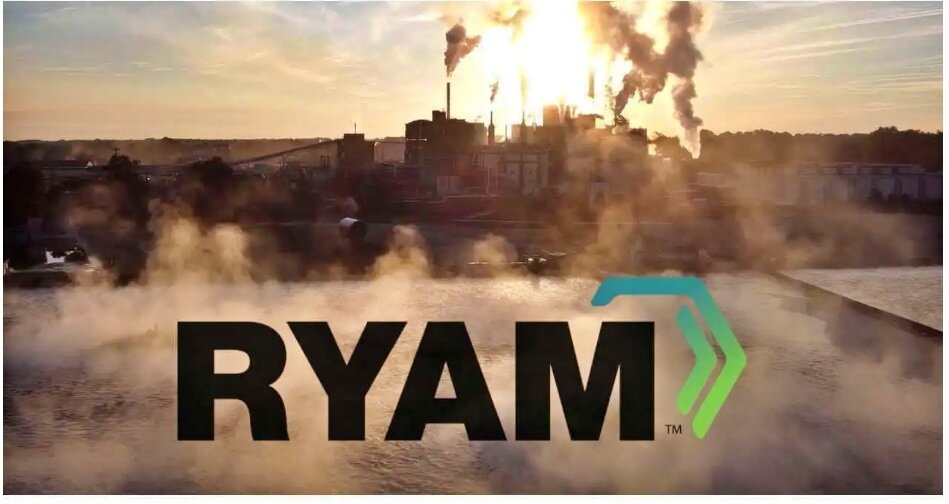
FERNANDINA BEACH, Fla. — A court-ordered mediation between the City of Fernandina Beach and Rayonier Advanced Materials (RYAM) will take place April 13–14 in Jacksonville, but the public will not be allowed to attend — and what is said there will remain confidential under Florida law.
For the public, that means while the date, location and mediator are known, the substance of the negotiations — and whether either side makes concessions — will not be visible unless a settlement is ultimately filed in court.
The mediation will be conducted by Jacksonville mediator George E. “Buddy” Schulz Jr. at the EverBank Building and follows a court-approved pause in the litigation to allow both sides to pursue a potential resolution.
The case centers on RYAM’s proposal to construct a second-generation bioethanol facility at its Gum Street pulp mill, just south of downtown Fernandina Beach.
The Fernandina Beach City Commission denied the project in February 2025, concluding that bioethanol production qualifies as “chemical manufacturing or refining,” a use prohibited under the city’s Comprehensive Plan and Land Development Code.
City officials have reaffirmed that interpretation in subsequent actions, maintaining that approving the plant would violate long-standing land-use restrictions even within industrial zoning.
RYAM challenged the city’s denial in court and later filed a claim seeking $6.6 million in damages, arguing the decision unfairly restricted its property rights and sharply reduced the value of the property tied to the proposed project.
The claim was filed under the Bert J. Harris Jr. Private Property Rights Protection Act, a Florida statute that allows property owners to seek compensation when government action is alleged to place an “inordinate burden” on the use of their land.
City officials have rejected that claim and are defending their interpretation of the Comprehensive Plan.
Critics have pointed to the potential hazards associated with ethanol production, while supporters have emphasized the economic importance of the mill and the potential for renewable energy production.
The mediation represents a pivotal point in the case. If the parties reach an agreement, the terms could resolve the dispute without further litigation — though only the final outcome, not the negotiations themselves, would become public.


Comments
4 comments on this item Please log in to comment by clicking here
PaulaM
So much for transparency…
Wednesday, April 8 Report this
Jwmckinnie
Total eclipse of the Sun…shine
Wednesday, April 8 Report this
FunnyGirl4615
Dear City Commissioners and Staff - Let's NOT make a deal. Let's stand up for our comprehensive plan. You know it well. It is the one we have all been standing by and for, for quite sometime now. As Gen. Schwarzkopf said so eloquently; Do the right thing because it is the right thing to do.
Wednesday, April 8 Report this
DaveLott
Like the process or not, that is the way mediation discussions always work. As Mike says, if an agreement is reached the final terms will be made public. If the court case continues, minutes of all "shade" meetings between the city officials and its legal team will be made public 30 days after a judgement is published.
Wednesday, April 8 Report this