 >
>
City Commission candidate Staci McMonagle on the key issues
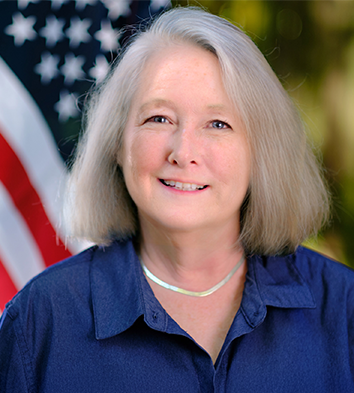
Editor's Note: As Fernandina Beach voters prepare to cast their ballots in the Aug. 18 municipal election, the Fernandina Observer is publishing a series of candidate profiles to help readers better understand those seeking public office. The questionnaires asked each candidate the same set of questions covering the issues, priorities and leadership challenges facing the city. The profiles are being published before mail ballots begin arriving in Fernandina Beach on July 9, giving voters an opportunity to compare the candidates' positions before casting their ballots. The Observer will publish the profiles again in August.
Candidate Name: Staci McMonagle
Email: s.d.mcmonagle@gmail.com
Phone: 904-477-4086
Campaign Website: https://www.fernandinafirst.com
Social Media: facebook.com/stacimcmonagleseat4
Q. Why are you seeking election to the Fernandina Beach City Commission, and what qualifications, experience or perspective would you bring to the position?
A native Floridian, I grew up in Jacksonville and have proudly called Fernandina Beach home for the past 29 years. This is where I raised my family, built lifelong friendships, grew my career, and became deeply invested in the future of our community.
My professional life has always centered on serving others. I spent 10 years managing a law office, where I developed strong skills in administration, budgeting, organization, and overseeing daily operations. I then spent 17 years in the hospitality industry, including five years as a concierge at the Ritz-Carlton Amelia Island. There, I strengthened my communication skills, learned the importance of listening, and became an effective problem-solver while helping people navigate complex situations.
In 2008, I entered the healthcare field with Angel Watch and later founded CNA Care Services LLC. For the past 17 years, I have had the privilege of providing compassionate care and support to families throughout our community.
Service has always been an important part of my life. I am a lifelong member of Living Waters World Outreach Center and have volunteered through the Salvation Army Hope House Interfaith Dinner Network. I previously served on the board of Young Life, supporting teenagers throughout Nassau County, and I am a founding member of the Christian Heritage Parade.
Fernandina Beach is more than where I live — it is home. I enjoy walking Center Street, supporting our local businesses, volunteering at the Shrimp Festival, and helping raise funds for Faith Christian Academy.
In 2022, I ran for the Fernandina Beach City Commission. Although I was not elected, the experience strengthened my commitment to serving this community.
I am running for City Commission Seat 4 because I believe residents deserve leadership that listens, communicates openly, and makes thoughtful, fiscally responsible decisions. I will work to restore trust in local government, support responsible growth, protect taxpayers, and preserve the natural beauty, history, and small-town character that make Fernandina Beach such a special place to call home.
Q. What are the three most important issues facing Fernandina Beach over the next four years, and why?
Over the next four years, Fernandina faces three major challenges: fiscal responsibility, particularly in terms of affordability; infrastructure development; and ensuring that growth aligns with our Comprehensive Plan. By managing taxpayer funds wisely, investing in essential infrastructure, prioritizing community safety, and ensuring that growth adheres to the city’s long-term plan, we can support development that fits our community, respects neighboring neighborhoods, and is backed by the necessary infrastructure to serve it.
Q. Paid parking is on the August ballot. Do you support retaining, modifying or eliminating the paid parking program? Please explain your position.
I’m in favor of getting rid of the paid parking program in the downtown historic district. Public parking should really benefit the residents who live here, pay taxes, and keep our community thriving all year round. Also, it’s important to think about how paid parking was put in place, even though many people were against it. Many residents felt like their opinions weren’t heard. To me, that seemed like a blatant disregard for the will of the people, like paying taxes without having a say in it. If you’ve been downtown recently, you know that paid parking has made things tough for our businesses and the people who work there. Plus, it’s changed how many of our residents, who used to visit downtown often, now have to plan their trips around a four-hour limit.
Fernandina is a city that has always embraced visitors with open arms. We are known for our friendly and welcoming atmosphere, and paying parking simply fails to convey that message.
Q. If voters eliminate paid parking and the city loses approximately $1 million or more in projected annual revenue, what specific spending cuts, revenue increases or budget adjustments would you support to replace that funding?
I grew up believing you live within your means. As a single mother and small business owner, that’s exactly what I’ve had to do. When money is tight, you don’t ask people for money right away. You first look at how you’re spending it, cut what’s not essential, and focus on your priorities. That’s how I would approach the city’s budget.
I won’t promise budget cuts without knowing all the facts, but I will ask the tough question. I’d begin with a careful review of the city’s spending to identify unnecessary expenses and opportunities to approve efficiency. My priority is to ensure taxpayer dollars are spent wisely while maintaining the essential services residents rely on.
That includes:
- Conducting a comprehensive review of city expenditures at administrative cost.
- Prioritizing maintenance, infrastructure, and core public safety services over discretionary projects.
- Pursuing grant and legally available tourism revenue, appropriately.
- And identifying operational efficiencies before considering new fees or tax increases.
Q. The city remains involved in litigation regarding the proposed RYAM bioethanol plant. What is your position on the project, and how should the city proceed?
Simply stated, I’m opposed to the proposed RYAM ethanol plant because protecting the health, safety, and quality of life of the people who call Fernandina home is important to me, and the city should defend the City’s Land Development Code based on what I know today. I believe the City’s Land Development Code supports the City’s position in opposing this project.
As to how the City should move forward. Allow the process to take place. Trust that our City’s Land Development Code says what it means and means what it says, and will get the job done to protect the residents of Fernandina .
Q. Fernandina Beach faces significant future capital needs. If funding is limited, what are your top three priorities and why?
When resources are limited, the government must distinguish between needs and wants. I will never lose sight of its first responsibility: protecting the safety and security of its residents. My priorities will always be to: improve stormwater drainage, reduce flooding in high-risk neighborhoods, and protect and maintain critical public infrastructure.
Every dollar invested in reducing flood damage and maintaining maintenance today can save many more dollars in repair costs in the future. The city should focus on maintaining and preserving the infrastructure and assets it already owns before taking on new projects.
Q. Approximately $14 million may still be needed to complete the flood protection project. How should the city fund that work?
My first priority would be to aggressively pursue every available outside funding source, including state and federal grants, resilience funding, and disaster mitigation programs. This project protects critical public infrastructure, historic areas, parks, and major visitor destinations, making it a strong candidate for outside funding.
I would also continue pursuing every lawful opportunity to use tourist development, tax revenue, where permitted under Florida law, and work cooperatively with Nassau County to maximize those funding opportunities. My goal is to reduce the financial burden on Fernandina taxpayers while ensuring this critical project moves forward.
Q. Historic downtown requires substantial infrastructure investment. What should be the priorities and how should they be funded?
Downtown is the economic and cultural heart of Fernandina Beach. Our first responsibility is to preserve and maintain the infrastructure that protects it before investing in new amenities.
My top priorities would be:
Flood protection and stormwater improvements to reduce flooding and protect businesses, homes, and public spaces.
Streets, sidewalks, and utility infrastructure, including water, sewer, drainage, lighting, and ADA accessibility.
Preserving our historic character by ensuring improvements complement the character and charm that make downtown special for both residents and visitors.
As for funding, I believe we should pursue the broadest possible mix of funding sources, including grants, resilience funding, and other available revenue, before asking local taxpayers to pay more. If taxpayers are ultimately asked to fund a significant portion of the project, I believe they should have the opportunity to decide on that investment through a public vote.
Q. What is your position on proposals to relax development regulations, including Section 1.03.05 of the Land Development Code?
I support regulations that are clear, predictable, and consistently enforced. I do not support weakening development standards if doing so results in overdevelopment, increased flooding, traffic, congestion, the loss of neighborhood character, or the erosion of property rights.
Any proposed changes should be evaluated based on whether they improve transparency and efficiency, without reducing the protections residents expect. I would oppose changes that make it easier to bypass public review, grant excessive administrative discretion, or approve developments that are inconsistent with the City’s Comprehensive Plan or Land Development Code.
Q. How should the city balance private property rights with neighborhood preservation, historic character and growth management?
Private property rights are fundamental, but they are not absolute. Property owners have the right to reasonably use and improve their property, while the community has the right to expect that development follows the rules adopted to protect neighborhoods, preserve our historic character, safeguard public safety, and protect the environment.
Q. What types of waterfront development would you support or oppose?
Any development along our waterfront must balance growth with preservation, ensuring public access is expanded, our local economy is strengthened, and our historic and natural character is protected. Once our waterfront is overbuilt or its unique identity is compromised, it cannot easily be restored.
I support thoughtful improvements that enhance parks, waterfront, walkways, and public access for residents and visitors. Investments that sustain our working waterfront, including the marina, commercial fishing, and maritime industries – are essential to our heritage and economy. I also support responsible redevelopment of underutilized properties that comply with our Comprehensive Plan and Land Development Code, strengthen flood resilience, protect our shoreline, and encourage locally owned businesses that complement our historic downtown.
I’m opposed to development that restricts public access, blocks waterfront views, or exceeds established height, density, or zoning standards without a clear public benefit. I also oppose projects that overburden infrastructure, increase flooding risk, or fail to pay their fair share of associated costs. Protecting wetlands, marshes, dunes, and other sensitive coastal resources must remain a priority.
Our waterfront belongs to everyone, and every proposal should reflect that principle.
I feel it is imperative that we preserve what makes Fernandina unique for our future generations.
Q. Looking ahead 10 years, what would you like Fernandina Beach to look like?
Ten years from now, I want Fernandina Beach to still look and feel like Fernandina Beach.
I don’t want us to become just another overbuilt Florida coastal city. I want us to be known as a community that protected its history, managed growth wisely, and invested in the infrastructure needed to support both residents and visitors. Most importantly, I want our children and grandchildren to inherit a city that is financially sound, environmentally resilient, historically authentic, and still one of the most special places on Earth to live, work, and raise a family.
Q. What should the city do about the Ybor Alvarez soccer field issue, and how should the solution be funded?
From what I’ve been able to learn, the City and Nassau County are working together to explore options that could allow the Ybor Alvarez soccer fields to remain while relocating aviation uses elsewhere. At the same time, the FAA has not yet approved a long-term solution, And because the property is federally obligated Airport land, the FAA has an important role in determining what can legally happen there.
If the FAA approves a land swap, purchase or another acceptable arrangement, the fields may be able to stay where they are. If not, the city will likely need to find a new location.
One encouraging point is that City officials have indicated that keeping the field in their current location could be less expensive than building new field elsewhere, depending on the FAA’s decision.
I know many people like myself would like to see the fields remain where they are. This is another situation that requires everyone working together to find a solution that is practical fiscally responsible, and in the best interest of our community.
Q. If Ybor Alvarez is no longer available, which alternative would you support first and why?
My first choice would be to keep the fields where they are, provided it is legally and financially feasible. If relocation becomes necessary, my priority would be to keep them on Amelia Island whenever possible. Youth sports are an important part of our community and any new location should be easily accessible, allow room for future growth, of course, and be developed in partnership with Nassau County so the financial responsibility is shared fairly.
Q. What should Fernandina Beach's long-term parks and recreation strategy be?
My priority is to maintain and improve the parks and recreational facilities we already have, protect public access, and plan recreation around the needs of residence – especially our children, seniors, and families before taking on expensive new projects.
We should not build new amenities while neglecting basic maintenance, and Fernandina Beach taxpayers should not bear the full cost of parks and recreational facilities that serve the border community. We should seek partnerships, grant, and other funding opportunities to help share those cost. By maintaining and improving the parks we already have, we can preserve the quality of life that makes Fernandina such a special place.
Q. What actions should the city take regarding the airport master plan, and airport noise from flight school operations?
The Fernandina Beach municipal airport is an important community asset. It supports emergency services, business travel, and flight training in our local economy. At the same time, the people who live near the airport deserve to enjoy their homes without unnecessary noise and disruption. Those goals should not be mutually exclusive.
In 2024, the city explored an automated landing fee system to generate revenue and address the impact of repetitive touch-down operations. Since then, Florida law has prohibited airports from using ADS-B technology to calculate or collect landing fees from most small general aviation aircraft.
I believe the city should continue exploring legal, fair, and FAA-compliant ways to ensure airport users contribute appropriately to the cost. They should create a balance between the airport’s economic value and the quality of life of nearby residents. I also support working with airport management, the FAA, and local flight schools to pursue practical noise-abatement measures that reduce impacts on surrounding neighborhoods while maintaining safe airport operations.
Q. Do you believe the current bed tax distribution controlled by the county is fair? If not, what changes would you advocate?
I believe it’s appropriate to review how tourist development tax dollars are allocated. Today, approximately 62% of those funds are dedicated to tourism marketing. As tourism continues to grow, it’s worth asking whether we have found the right balance between attracting new visitors and investing in the beaches, waterfront, parks, historic downtown, and other public assets they come here to enjoy.
Every year, Fernandina Beach welcomes thousands of visitors, and maintaining those amenities requires ongoing investment. I would work collaboratively with Nassau County to pursue every lawful tourist development tax dollar available for eligible products that benefit both visitors and residents, while helping reduce the burden of our local taxpayers.
Q. Do you believe city government is appropriately sized for the community it serves? Why or why not?
I do not think the question is simply whether our city government is appropriately sized. The better question is whether staffing reflects the services residents expect and whether taxpayer dollars are being used efficiently. Personnel costs are one of the largest parts of the city’s budget, so every position should have a clear purpose and provide value to the community. I support regularly reviewing staffing levels, evaluating vacant positions before filling them, and improving operational efficiency.
Currently, the city has 244 full-time employees serving approximately 13,196 residents – about one employee for every 54 residents. While the number provides useful context, it doesn’t tell the whole story. The important question is whether each position is necessary, efficiently managed, and delivering value to the residents we serve. My goal is a city government that is responsive, accountable, fiscally responsible, and right-sized to meet the needs of our community without placing unnecessary burdens on taxpayers.
Q. Are there departments, programs or expenditures that should be expanded, reduced, audited or reviewed?
Yes, I believe every department, program, and the capital project’s budget should be reviewed regularly to ensure taxpayer dollars are being spent efficiently and producing measurable results. No area of the budget should be exempt from accountability.
I would begin by reviewing administrative costs, outside consultant fees, legal expenses, discretionary contracts, vacant positions, capital projects, and programs that have expanded significantly in recent years. I would also ask each department to identify opportunities to improve efficiency and reduce costs without compromising public safety or essential services. As part of the annual budget process, I believe every department should prepare a budget that identifies 5% to 10% in potential savings or efficiencies. That doesn’t mean every department will be cut by that amount. It means every department should regularly evaluate its spending, priorities, and justify every taxpayer dollar.
The goal isn’t to cut for the sake of cutting it to make sure every dollar, including those allocated to projects, is aligned with the city’s priorities and provides real value to the residents.
Q. Should the City Commission seek to lower the property tax rate when property values rise, or use additional revenues to expand services and projects?
My priority is to keep Fernandina Beach affordable for the people who live here. When property values rise, the city should not automatically assume that additional revenue should be used to expand government. Before considering new spending, I believe the city should carefully review its budget, identify efficiencies, and ensure existing taxpayer dollars are being used wisely. If revenue increases beyond what is needed to maintain essential services and invest in critical infrastructure, the commission should consider reducing the property tax rate to lessen the burden on the residents.
The expanded homestead exemption will provide tax relief for many homeowners, but it will also reduce property tax revenue to the city. That means the city needs to plan ahead by tightening its budget, setting clear priorities, finding operational efficiencies, and focusing on essential services. Good financial planning means adjusting to changes in revenue rather than simply expecting taxpayers to make up the difference.
Q. How should the city balance new projects with long-term maintenance costs?
The city should never build something it can’t afford to maintain. Every new project should include a realistic plan for its long-term operating and maintenance cost before it’s approved. My priorities are to:
- Maintain what we have before building something new.
- Evaluate the full lifecycle cost of every project, including future maintenance and operation.
- Prioritize projects that address essential needs.
- Pursue grants, partnerships, and other outside funding whenever possible.
- Build and maintain adequate reserves to protect taxpayers from unexpected costs.
As we’ve seen with the demolition of Brets and the removal of Toptracer at the golf course, major capital decisions can have long-term financial consequences. That’s why it’s so important to think beyond the ribbon cutting and make sure today’s investments remain affordable, sustainable, and beneficial for the many years to come.
Q. Do you support construction of a new City Hall facility? If so, how should it be funded?
I will not support building a new city hall, unless there’s a clearly demonstrated need, a realistic cost estimate, and a funding plan that does not take priority over essential needs such as flood protection, roads, stormwater, public safety, and basic maintenance.
My approach is simple:
1.Repair or renovate existing facilities first, whenever it is practical and cost-effective.
2. Do not approve a new facility without a full lifecycle cost analysis, including maintenance, staffing, utilities, insurance, and any debt service.
3. Make better use of existing public buildings before constructing a new one.
4. Pursue grants, partnerships, and other outside funding whenever possible.
5. If borrowing is necessary, it should be transparent, limited, and for a facility that will serve taxpayers for decades.
Good stewardship means taking care of our existing assets and making sure every major investment is necessary, affordable, and in the best interest of our community. I believe every decision should be judged on its own merit.
Finally, I believe the taxpayers should have the opportunity to decide whether to invest in a new city hall. Before committing to a project of that size and cost, the question should be put before the voters through a public referendum.
Q. Describe a situation where you changed your position after reviewing new information.
Interestingly enough, after running for City Commissioner in 2022, I had decided I wasn’t going to run again, but overtime I found myself reconsidering that decision.
I began to see what I believed is a growing disconnect between city government and the residents it was elected to serve. Too many people told me they felt their concerns, ideas, and priorities were not being heard or reflected in the decisions shaping our community.
As I looked at this year‘s race, I felt many residents were still searching for a candidate who truly shared their vision for Fernandina Beach. Like many others, I kept waiting for someone to step forward and be a strong voice for the people who live here. Then I realized that meaningful change doesn’t begin with someone else. It begins with ordinary residents who are willing to serve.
That’s when I decided to step forward once again for City Commissioner. I’m running because I believe Fernandina Beach deserves leadership that listens, is transparent, makes thoughtful decisions, and always puts residents first.
Q. What is one decision made by the current City Commission that you agree with and one decision you disagree with?
These two examples were easy to identify because I feel strongly about both issues. I agreed with the city commissions decision to uphold the City’s Land Development Code in the RYAM matter because I believe consistently following our Land Development Code and Comprehensive Plan is essential to protect the health, safety and quality of life of our community.
I disagreed with the decision to implement paid parking because many residents felt their concerns were not fully heard. I believe public policy works best when residents have a meaningful voice and decisions that directly affect their daily lives.
Q. How should commissioners engage with residents who strongly disagree with them?
A city commissioner represents everyone – not just the people who voted for them or those who agree with them. When a resident strongly disagree with me, my first responsibility is to listen respectfully and understand their concerns before making a decision. I believe people deserve to be heard, treated with respect, and know that their voice matters. Even when we disagree, I will always strive to make thoughtful, informed decisions that are in the best interest of the entire community.
Q. What is the city's biggest financial challenge?
The city's biggest financial challenge is not generating more revenue. It’s maintaining and replacing aging infrastructure while preserving long-term fiscal discipline. That means planning ahead, setting priorities, and making smart investments without over burdening taxpayers, or taking on unsustainable debt. By maintaining what we have, pursuing grants and partnerships, and carefully evaluating long-term cost before approving new projects we could protect both our infrastructure and our financial future.
Fernandina faces three significant long-term challenges
1. Maintaining and replacing aging infrastructure while protecting the cities extensive public assets.
2. Balancing the needs of residence with the demands of tourism so our quality of life remain remains a priority.
3. Keeping taxes affordable while maintaining essential services through responsible, budgeting, and long-term financial planning.
Q. What is the city's biggest opportunity?
I believe Fernandina’s biggest opportunity is to preserve what makes it unique while preparing responsibly for the future. Unlike many Florida communities, we still have the opportunity to manage growth before it manages us. By planning thoughtfully investing in our infrastructure and protecting our history, character and natural resources we can ensure that Fernandina will remains one of the best places on earth to live, work ,and raise a family.
Q. What is one thing city government does well?
Fernandina provides an impressive range of services for a city it’s size while preserving the historic charm and natural beauty that defines our community. The city is built valuable public assets over many years.
Q. What is one thing city government needs to improve?
The three issues consistently mentioned when talking to residents are lack of communication, complete disregard for their opinions, and a lack of transparency. All leading to a lack of public trust between the city government and the residents.


Comments
2 comments on this item Please log in to comment by clicking here
GDecker
Everyone agrees that too many projects and not enough money is t-h-e problem.
None of these candidates actually has a solution.
Interestingly, the current commission found a solution which none of these candidates support, but offer no alternatives.
Wednesday, July 8 Report this
BeachEd
Consider merging some city services with county. Services such as the police, fire, ocean rescue and certain facilities should be combined. Aren’t we already paying taxes to the county for these services ?
Friday, July 10 Report this